

Electrical safety in industrial and commercial facilities is governed by a combination of legislation, regulations, regulatory requirements and technical standards. Together, these instruments establish obligations for employers, facility owners, electrical contractors and other professionals responsible for the design, installation, operation and maintenance of electrical systems.
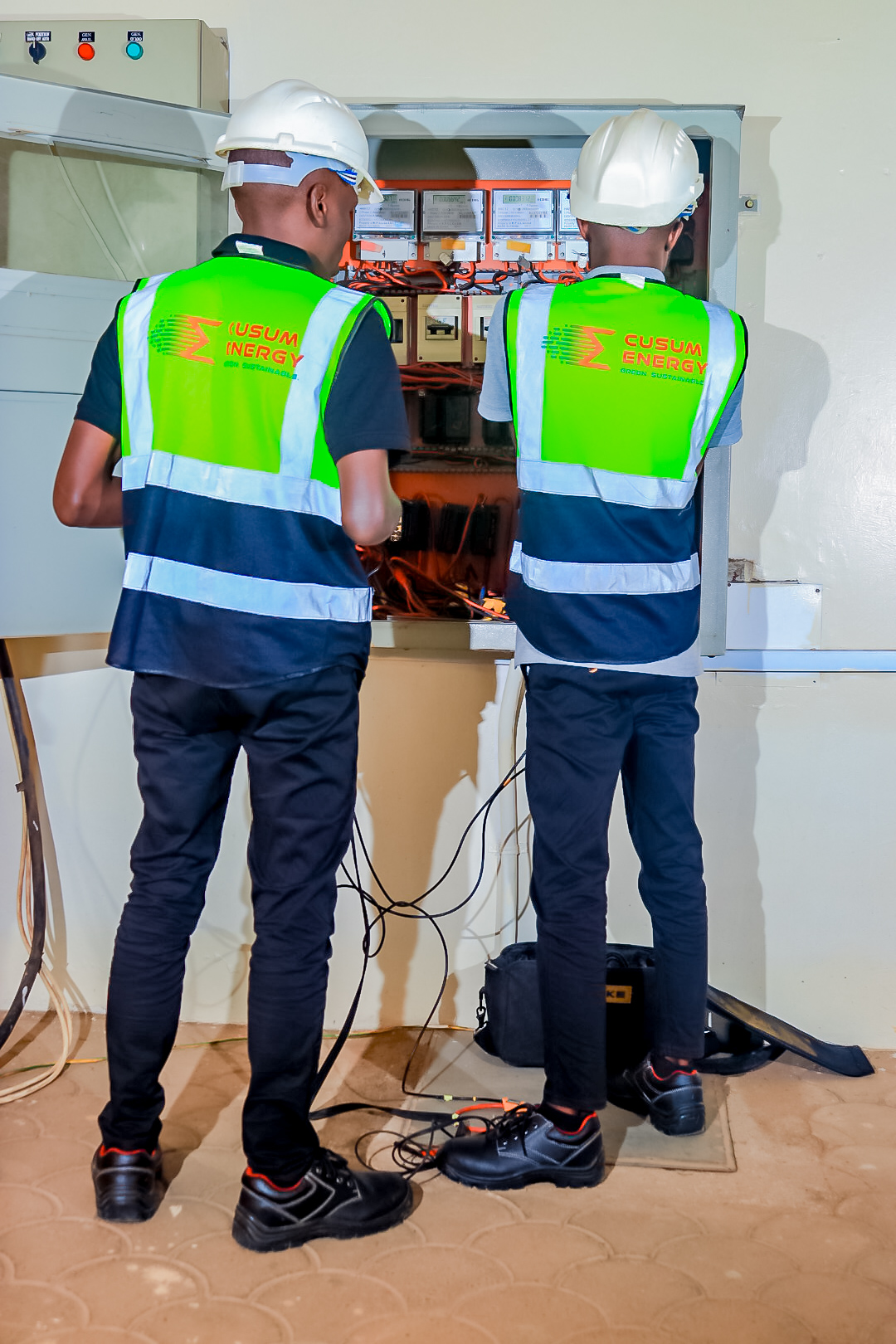 Understanding this framework is essential for organisations seeking to protect workers, safeguard electrical infrastructure, minimise operational risks and maintain regulatory compliance. However, compliance with workplace safety requirements does not automatically demonstrate that an electrical installation meets all applicable energy-sector requirements.
The Energy Act, 2019
The Energy Act, 2019, establishes the legislative framework for regulating Kenya's energy sector, including electricity generation, transmission, distribution, supply and electrical installation work. The Energy and Petroleum Regulatory Authority (EPRA), established under the Act, is mandated to regulate the electricity subsector, license electricians, register electrical contractors, enforce applicable technical requirements and take action against non-compliance.
Sections 148–152 of the Act address electrical installation work, certification of electrical workers, licensing of electrical contractors and responsibilities relating to electrical installations. These provisions make the authorisation of personnel undertaking electrical installation work an important compliance consideration for organisations.
For industrial and commercial facilities, this means that electrical installation, alteration and related work should be undertaken by appropriately authorised personnel in accordance with the applicable legal and technical requirements. Internal maintenance arrangements should therefore be assessed to establish whether the personnel and contractors engaged are authorised for the work they perform.
The Energy (Electricity Supply and Installation Works) Regulations, 2024
EPRA's regulatory framework for electricity supply and installation work addresses matters including the licensing of electrical workers and contractors, inspection and testing, certification, technical requirements and accountability for installation work. EPRA published the Energy (Electricity Supply and Installation Works) Regulations, 2024, as a draft regulatory instrument intended to update the existing Electric Power (Electrical Installation Work) Rules, 2006.
The status of the 2024 instrument must be verified before it is cited as an operative legal requirement. Organisations should distinguish between enacted regulations and draft proposals when assessing their compliance obligations and should consult EPRA's current regulatory publications for the applicable requirements.
Regardless of the status of proposed changes, verifying the licensing and authorisation of personnel, maintaining installation records and ensuring that electrical work is properly inspected and tested remain important elements of electrical risk management.
The Occupational Safety and Health Act, 2007
The Occupational Safety and Health Act, 2007, provides the framework for protecting the health, safety and welfare of people at work. It places duties on employers and other responsible parties to maintain safe working conditions and address hazards arising from workplace activities, equipment and installations.
Electrical hazards may include exposed live conductors, damaged insulation, inadequate earthing, defective protective devices, unsafe electrical equipment and insufficient controls during maintenance. Depending on the installation and work activities involved, these hazards can expose workers to electric shock, burns, fires and other serious injuries.
The Directorate of Occupational Safety and Health Services (DOSHS) administers and enforces occupational safety and health requirements. Employers should therefore ensure that electrical hazards are identified through appropriate risk assessments, that necessary control measures are implemented, and that inspection, maintenance, training and safe-work procedures are documented.
Workplace electrical safety should not be treated as a one-time exercise. Changes to machinery, electrical loads, equipment layouts and operating conditions can introduce new hazards that require reassessment.
The Energy Management Regulations, 2012
The Energy (Energy Management) Regulations, 2012, establish requirements for designated energy-consuming facilities, including energy management and energy auditing obligations. EPRA's designation framework has identified facilities consuming more than 180,000 kWh of energy annually as subject to the relevant energy management requirements.
Depending on the applicable provisions and the facility's designation, obligations may include appointing an accredited energy manager, undertaking periodic energy audits, maintaining energy consumption records and reporting to EPRA.
Energy audits and electrical safety assessments serve different but complementary purposes. An energy audit examines energy consumption, performance and opportunities for improved efficiency, while an electrical safety assessment focuses on hazards, installation condition and the effectiveness of relevant safety controls. A coordinated assessment programme can help organisations identify opportunities for efficiency improvements while addressing electrical risks, provided each assessment retains its appropriate scope and technical requirements.
Applicable Technical Standards
Legislation and regulatory instruments establish legal obligations, while technical standards provide detailed specifications and practices for the design, installation, inspection, testing and operation of electrical systems. The standards applicable to a particular facility depend on the installation, equipment, operating environment and requirements adopted by the relevant authorities.
Relevant standards may include:
-
Kenya Bureau of Standards (KEBS) standards: Applicable Kenyan standards and adopted international standards relevant to electrical equipment, installations and safety.
-
IEC 60364 series: International requirements for low-voltage electrical installations, including protection against electric shock, earthing and verification.
-
IEC 60079 series: Requirements for electrical equipment and installations in explosive atmospheres, relevant to appropriately classified environments such as certain fuel-storage and chemical-processing facilities.
-
IEC 61439 series: Requirements for low-voltage switchgear and controlgear assemblies.
-
NFPA 70E: A workplace electrical safety standard addressing electrical hazards and safe work practices, including arc-flash risk assessment. Its relevance depends on the standards adopted by the organisation and the requirements applicable to the facility.
These standards should not be assumed to apply universally or to have identical legal status in Kenya. Facility owners and engineers should verify the specific editions, national adoptions, regulatory references and contractual requirements applicable to their installations.
Moving from Compliance to Electrical Risk Management
For industrial operators, understanding the legal framework is only the starting point. Effective electrical risk management requires a structured approach that considers workplace hazards, installation integrity, personnel authorisation, inspection and testing records, maintenance practices and applicable technical standards.
A facility may have workplace safety procedures, warning signs and personal protective equipment in place, yet still have defects in its electrical installation or gaps in regulatory compliance. Conversely, a technically compliant installation does not eliminate the need to manage workplace risks during operation and maintenance.
A comprehensive assessment should therefore establish both whether electrical hazards are adequately controlled and whether the installation meets the legal, regulatory and technical requirements applicable to it.